
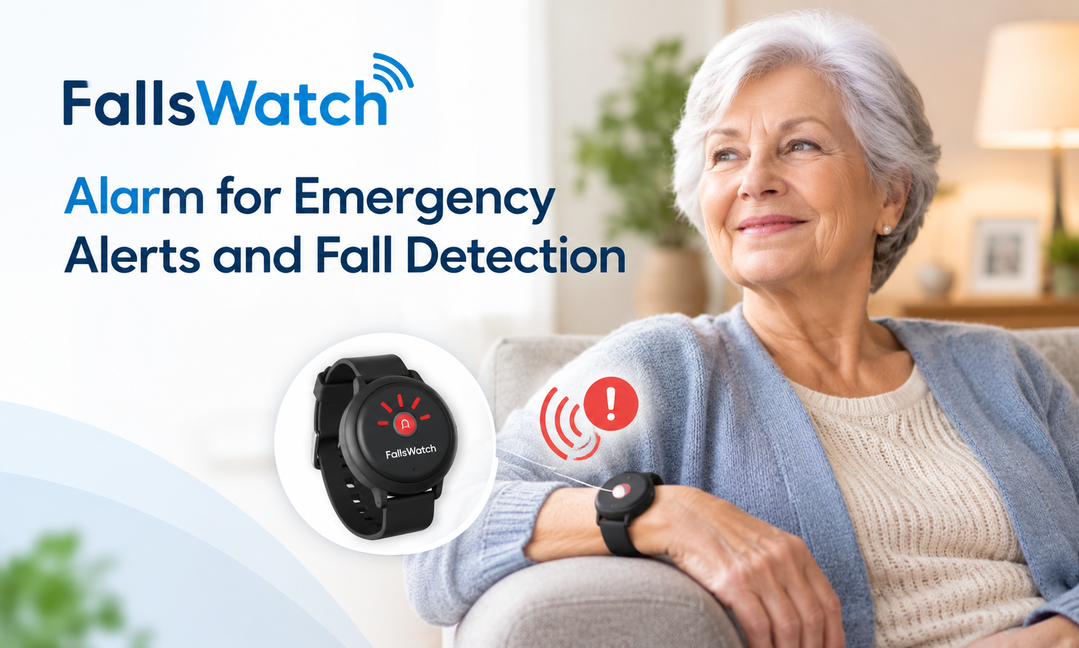
Falls Watch Alarm for Emergency Alerts and Fall Detection
Growing older does not mean giving up the comfort and independence of home. Many Australians prefer to stay in familiar
Proudly Australian Owned & Operated – Want to speak to a real person? 02 7227 5833
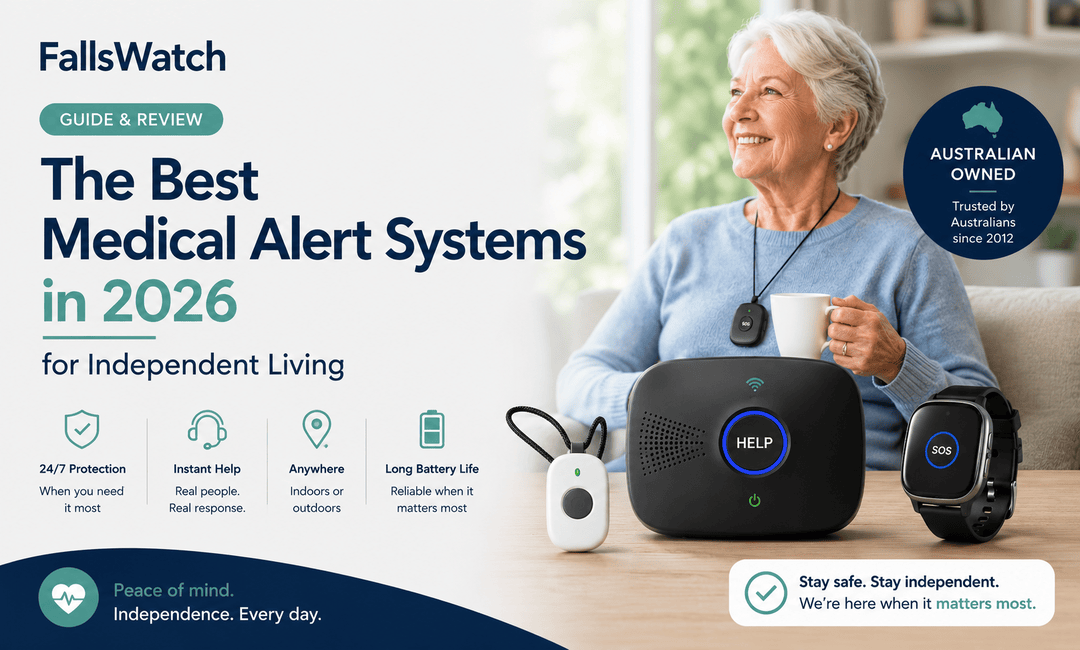
A medical alert watch is frequently included in discussions about the best medical alert system for 2026 for seniors who wish to maintain an independent lifestyle. Such medical devices are created to make it possible for a person to keep in contact with their loved ones as well as receive necessary help in case of an emergency situation.
Many older people try to live independently nowadays, and therefore, they require something to help them keep safe and at the same time enjoy the convenience of living alone. Comparing available options and features can help individuals select a system that aligns with their personal preferences, lifestyle, and daily activities.
There are characteristics of medical alert systems that have been included for various purposes. These may be used in helping an individual evaluate the available products
Quick access to assistance is one of the key benefits offered by such medical alert devices. The vast majority of such systems have a button, which can be quickly activated in case of any unforeseen circumstances. This feature allows users to communicate with a response center or designated contact without needing to reach a phone.
Fall detection is one of the capabilities included in many contemporary medical alerting devices. This function allows the device to sense abrupt movements and send an alarm automatically when a fall occurs, and the individual cannot communicate. Although not all systems provide this functionality, it has become standard for more advanced devices.
Medical alert devices are equipped with GPS capability, which allows for pinpointing the location of the user during emergencies. Location tracking can be beneficial in coordinating efforts in emergencies and can make wearable devices applicable to those who are constantly moving around.
A number of medical alarm devices have integrated two-way communication features that enable users to talk to a response center using the device itself. In doing so, there is no need to look for another phone in case of an emergency. Communication can assist responders in getting a clearer picture of the situation and offer necessary aid accordingly.
Wearable and stationary alert devices have been devised for the purpose of offering assistance in many unique ways. Comparing the advantages of both can be beneficial in choosing the device that suits one’s lifestyle.
Wearable alert systems are intended for those who have an active lifestyle and make many movements during the day. These can be worn as a watch, pendant, or wristband and are available anywhere the wearer goes. Traditional fixed alert systems are, however, linked to a certain location in the house. These are ideal for people who spend a lot of their time indoors and who want support that doesn’t move around.
The primary difference between wearable and fixed systems is the geographical area. Portable devices can sometimes be worn inside and outside of the home and can allow for assistance when shopping, walking, visiting family, etc. Fixed alert systems typically have a fixed radius of coverage around the home unit. Moreover, this makes them best suited for users who need support mainly in their homes.
Wearable systems have the benefit of being available at all times, as they are attached to the user. Their constant availability can make them a convenient choice for those who appreciate flexibility. Fixed systems might involve the user having to be within the range of a base station or wall-mounted unit. Wearable alert systems are generally easier to set up, as they are designed for immediate use after activation.
For some, a wearable alert system may be preferable to the traditional fixed alert system, depending on their lifestyle and daily routine. People who have to go out of the house regularly and need more independence may want a wearable device. For people who spend most of their time at home, a fixed system would be adequate. Assessment of the level of mobility, routine activities, and preferred level of accessibility can be used to decide what type of alert system is most appropriate.
Selecting a good medical alert system extends beyond basic comparisons. There are several factors that are often overlooked but which could affect the user experience.
These, like weight, size, and design, can affect the use of these devices, as many users wear them for longer periods of the day. A device that fits comfortably and is part of the normal lifestyle is more likely to be worn routinely, thus making it more useful.
Often, the battery life and maintenance requirements are overlooked. Some need to be charged often, while others will last longer without needing attention. A system that requires maintenance that fits the user’s lifestyle can help to achieve a good experience.
Needs can change over time, however, as a result of lifestyle changes or mobility changes. When planning a system, it is important to think about whether it will be able to meet future needs to prevent the need for replacing the system later. One of the key elements that enhances the long-term value and convenience is flexibility.
Simple features like buttons, voice communication and overall simplicity can have a great impact on usability. Advanced features may be available in a system, but if it is hard to use, it might not be suitable for regular use. Assessing the accessibility and ease of use will ensure the system is convenient to use by the person who will be using it.
To sum up, finding the right medical alert system isn’t about chasing the longest list of tech features; it’s about choosing something that gets used every day. That is why medical alert watches have become popular; because they sit right on the wrist, they are always within reach and easy to operate. Instead of getting bogged down by complicated technology, it is much smarter to pick a system that blends seamlessly into a person’s existing routine. When a device is comfortable and simple, wearing it becomes second nature, which is what makes it good in an emergency.
Many people prefer a medical alert watch because it is worn directly on the wrist and remains within easy reach throughout the day. A watch is a device that is not something that has to be carried separately; it becomes a part of the routine. It is easy to use and can be accessed when necessary. This ease of use and accessibility is part of why it’s becoming so popular.
Fall detection may be a useful feature for some users, particularly those who are looking for extra support. But it shouldn’t be the only thing you look at when assessing a medical alert system. It’s also easy to use, comfortable and accessible. A good system will have a balance of useful features and practicality, making the device easy to use and appropriate for everyday tasks.
When comparing alert systems, it’s crucial to consider more than just the technical aspects; everyday usability is also a factor. Comfort, convenience, accessibility and intended use locations can make a difference. An instrument that fits into the daily routine will be used more often. A careful comparison can help to ensure that the chosen system is appropriate for both practical and personal needs.
Medical alert systems can help to give caregivers peace of mind by offering a dependable method for users to communicate when they need help. This support enables seniors to remain independent and yet have access to help if needed. Moreover, it allows caregivers to feel more connected and informed without having to be constantly present. The system helps promote both safety and personal freedom.
The most effective medical alert systems tend to be those that are suitable for people’s lifestyles and their routines. They need to be easy to use, convenient to access, and comfortable to wear all the time. The devices that do not need much effort in usage are usually more popular since they are easy to activate when required.
Growing older does not mean giving up the comfort and independence of home. Many Australians prefer to stay in familiar
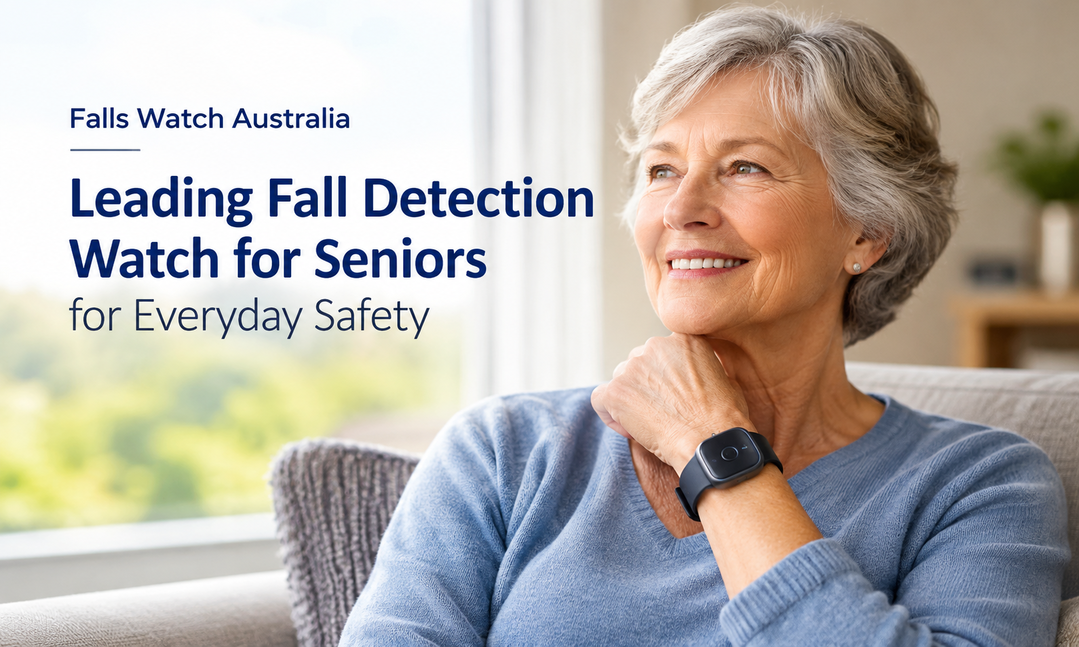
As seniors continue to value independence, everyday safety becomes an important part of maintaining an active lifestyle. Unexpected falls may