
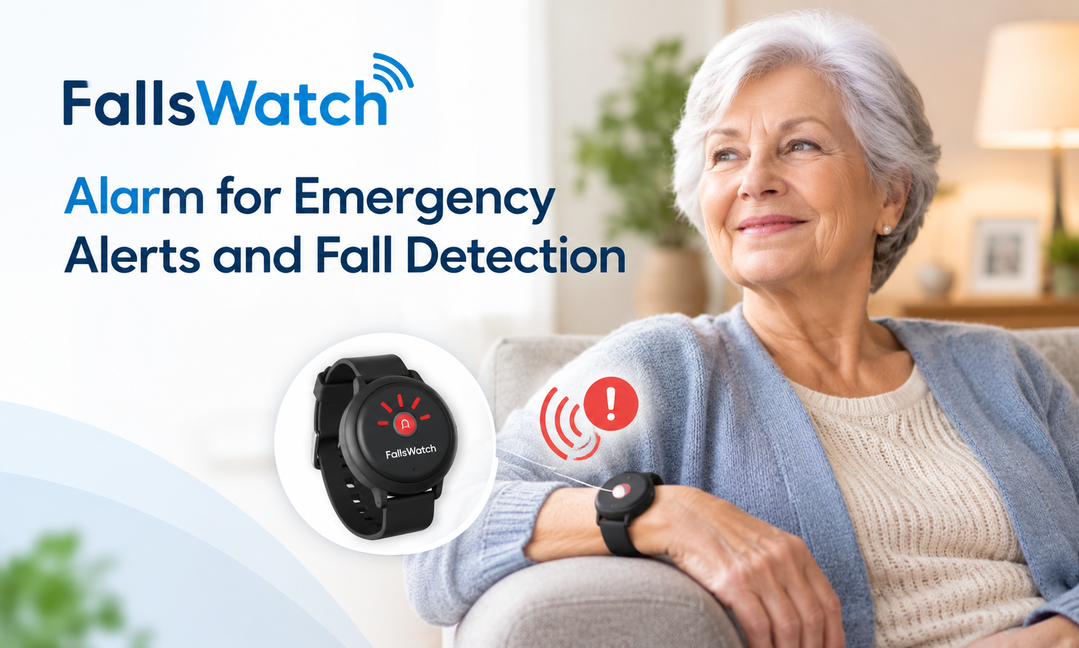
Falls Watch Alarm for Emergency Alerts and Fall Detection
Growing older does not mean giving up the comfort and independence of home. Many Australians prefer to stay in familiar
Proudly Australian Owned & Operated – Want to speak to a real person? 02 7227 5833
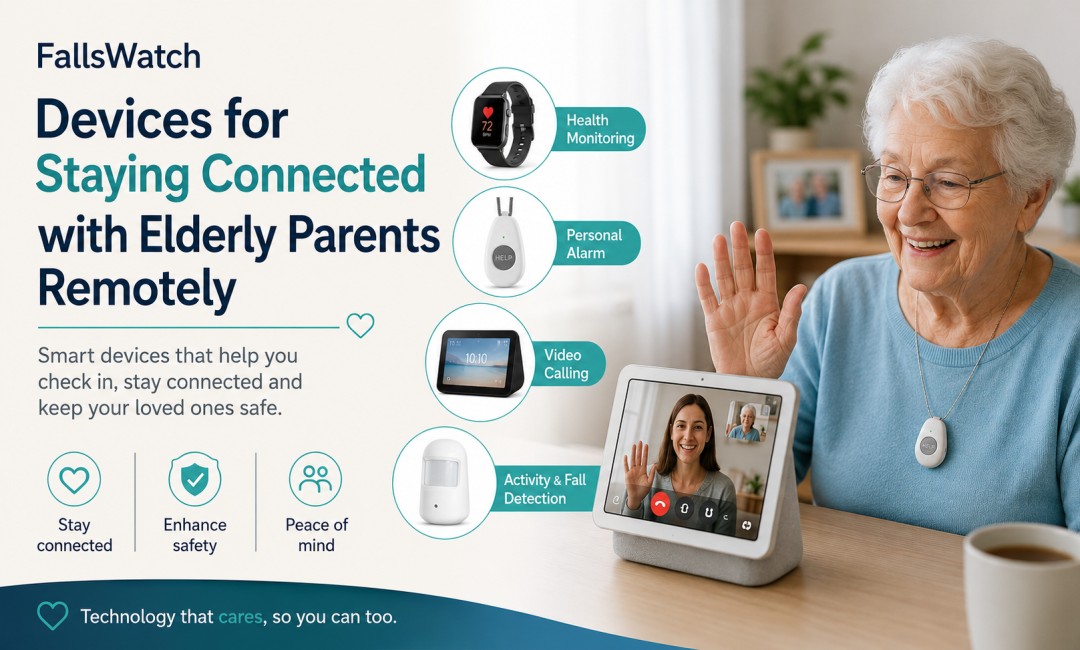
As more elderly adults choose to maintain their independence, remote monitoring has become an important part of modern caregiving. Elderly individuals are actively engaged in performing their normal activities, such as going out for shopping, taking walks, and staying in the comfort of their homes alone. At the same time, there is always a fear of emergencies, considering that immediate assistance is unavailable. Modern technology, including wearable communication devices and GPS-enabled medical alert systems, helps bridge this gap by improving connectivity, enhancing safety, and keeping caregivers informed while allowing seniors to live with freedom.
Many families seek added peace of mind while allowing elderly loved ones to maintain their independence and enjoy daily activities. Seniors often prefer staying active, social and engaged in their regular routines without feeling constantly supervised. This is why wearable technology solutions can serve as an alternative for families who need to be connected and informed about the situation unexpectedly.
Wearable emergency systems make support more accessible by providing quick communication options by reducing reliance on the nearby phones and helping users access assistance whenever it may be needed. Let’s understand the needs:
The families who are thinking about using the trackers for their elderly parents do not necessarily intend to curtail their liberty and independence. Instead, they want greater peace of mind while seniors continue enjoying daily activities and time spent alone. Having access to a medical alert with GPS tracking can help caregivers feel confident, knowing support may be easier to access if an unexpected thing occurs.
The majority of older adults suffer from problems with their coordination and balance, making them more vulnerable to accidents when there is no help around.
If something happens, the situation might be exacerbated because help might not be available immediately.
Routine activities such as household chores, medication management, and errands can become more challenging with age.
Reaching family members or emergency services quickly may be difficult, especially if a phone is not within reach when an urgent situation occurs.
The process of selecting the best elderly monitoring device extends beyond simple tracking. Factors like the ability to call out emergencies, tracking, comfortability, and dependability may have a large positive impact on overall health and safety.
Effective monitoring devices should provide timely alerts to family members or caregivers. One of the most useful features of elderly monitoring devices is GPS tracking. It enables caregivers to find a loved one during activities like walking, shopping, and visiting friends. For seniors who love an active lifestyle or those who sometimes get disoriented, this feature can be of great benefit. Moreover, for family members, it offers reassurance; for older persons, it’s about independence.
Different seniors have different needs, so flexibility matters. When an emergency occurs, a device should be readily available for emergency calls. With an SOS button, seniors can call for assistance without having to look for a phone or recall a sequence of actions. In times of stress, easy access to support can facilitate communication. A device that is easy to use and has emergency functions that are easy to see can help seniors feel more secure when performing their daily activities at home or outdoors.
One of the most frequent worries of older adults who live on their own is falls. A fall detection monitor can automatically detect a fall, alerting for help if needed, if the movement is sudden. Moreover, this is particularly helpful for older adults who live alone or are not around people for extended periods of time. Good coverage can provide confidence for families supporting loved ones. Automatic notifications decrease response times and give extra confidence to seniors and caregivers.
Direct communication capabilities enable seniors and caregivers to communicate with each other when necessary. Some monitoring devices have built-in speakers and microphones for two-way communication. In emergencies, users can communicate quickly with each other, seek help or give updates without using a separate device completely. Communication can help to decrease stress, facilitate coordination and keep family members updated on the health of the loved one throughout the day.
No matter how advanced the device, it may not work as well if it is not comfortable or easy to use. For older people, small, portable gadgets that work seamlessly in their lives are preferable. The long battery life minimizes the need to charge the device often, and simple controls make it easy to operate. Clear displays, comfortable designs, and reliable performance make them easy to use, providing monitoring and communication capabilities when needed most.
Remote monitoring systems are meant to blend into the regular life routine. This enables elderly people to remain self-sufficient while giving their families increased security and comfort. Let’s understand how these devices support everyday living:
To sum up, selecting an appropriate device to use in remote monitoring of our senior relatives will go a long way in making our senior relatives have a safer day-to-day life. Features like GPS tracking, emergency communication, and easy-to-wear design will make sure that we get a combination of independence and security for our seniors. Therefore, for families, these tools offer reassurance while helping older adults maintain confidence, comfort, and greater freedom in everyday life.
A wearable communication device for senior citizens to be able to communicate with emergency services more easily during an emergency.
These devices are often used by many families to ensure a line of communication and to help promote independent living by seniors.
These systems help caregivers remain informed and connected when emergencies or unexpected events occur.
Wearable devices offer seniors an easy way to communicate with emergency personnel and to carry out their everyday lives.
Yes. For many families, remote monitoring solutions can help them maintain independence and improve access to emergency services.
Growing older does not mean giving up the comfort and independence of home. Many Australians prefer to stay in familiar
As seniors continue to value independence, everyday safety becomes an important part of maintaining an active lifestyle. Unexpected falls may