
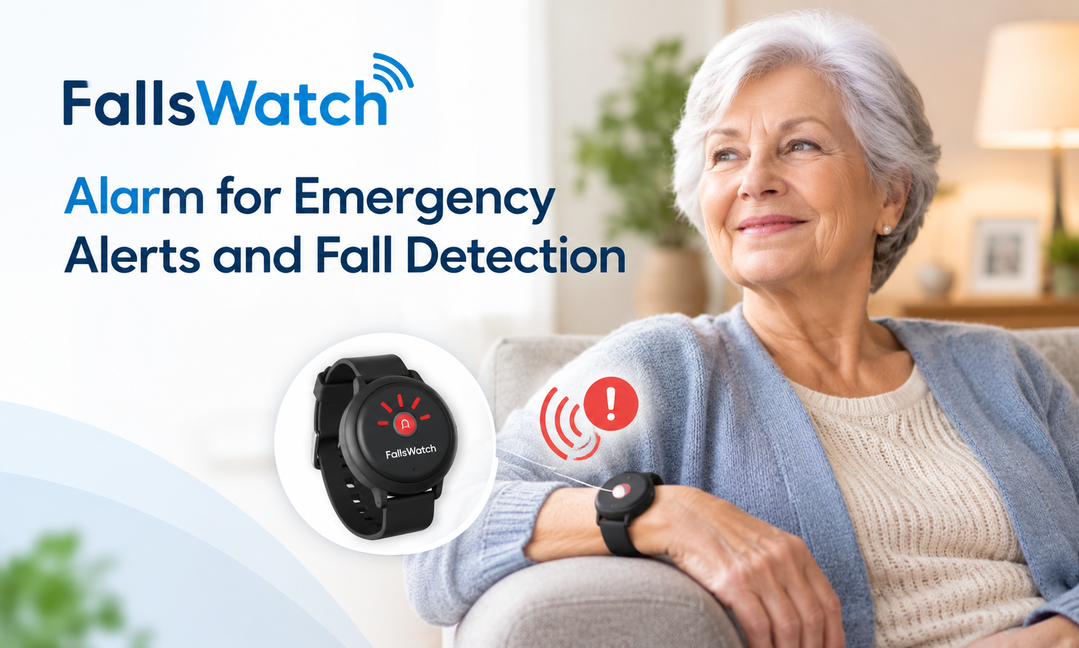
Falls Watch Alarm for Emergency Alerts and Fall Detection
Growing older does not mean giving up the comfort and independence of home. Many Australians prefer to stay in familiar
Proudly Australian Owned & Operated – Want to speak to a real person? 02 7227 5833
The 2026 Falls campaign, “Let’s Talk About Falls – Staying Safe Starts with a Chat.” highlights the shared responsibility in reducing fall-related risks. Fall awareness is very important, as it helps individuals and their families learn about ways to prevent falls and stay safe. Raising awareness also helps communities recognize hazards that are often overlooked, such as poor lighting, uneven flooring or a lack of mobility support. So, the initiative aims to shift falls prevention into a shared, proactive responsibility that benefits everyone.
A fall is defined by the World Health Organization (WHO) as an event in which “a person unintentionally comes to rest on the ground, floor, or another lower level.” The organization provides an internationally recognized definition of fall to maintain consistency in describing the phenomenon.
The Australian Commission for Safety and Quality in Health Care also follows this definition, which includes a broad range of incidents such as slips, trips, loss of balance, or rolling out of bed. In all cases, it is important to provide the correct definition to ensure consistent recognition and recording of the incidents.
Falls represent a significant problem among the Australian population aged 65 and old, accounting for about one quarter of the individuals in this age range who experience one or more falls annually. Studies have shown that a significant proportion of such falls can be prevented, though not without difficulty, given the variety of risk factors involved.
Two common reasons why some individuals have difficulty moving are poor balance and weak strength. This increases the risk of falling; however, addressing this problem by providing exercises for them will help prevent such an event.
When older adults avoid movement due to this fear, their strength and balance may decline further, increasing actual risk. The majority of falls can be avoided, as poor balance and muscle weakness are risk factors. Falls have been found to pose significant risks among older adults and are likely due to poor balance and muscle weakness. Research shows that any type of exercise can lower the risk of falling by about 23%, underscoring the importance of staying active for fall prevention and overall health.
Family members and carers play an important role in supporting falls prevention. Their involvement helps ensure that prevention strategies are understood, followed, and adapted to daily routines. Successful fall prevention requires understanding each patient’s individual risk factors. It is necessary to collaborate with patients, their family members, and other caregivers to assess mobility status, attitudes towards exercise, and issues such as fear of falling. The ability to identify obstacles to exercise is important when devising an effective fall prevention plan.
Validated tools for assessing fall risk are imperative for detecting specific risk factors in older adults. This will assist health care professionals in assessing the patient’s mobility, strength, and environmental risks. Following that, an evidence-based intervention plan that takes into account all of the above information will be created to prevent any further falls. Ongoing evaluation ensures that all supportive measures remain appropriate, effective, and aligned with the individual’s current needs and condition.
Falls prevention is an ongoing process rather than a one-off activity. A fall prevention plan for an individual needs to be revised in response to changes in the individual’s health, mobility, and living environment. Some measures taken can turn out to be counterproductive if not reviewed. When movement becomes limited, individuals may struggle with stability, making them more vulnerable to slips and balance loss during routine tasks. The review helps modify the plan to prevent future falls.
A comprehensive approach to falls prevention requires a multidisciplinary team, with various health care professionals such as physiotherapists, occupational therapists, podiatrists, and exercise physiologists working together. It is essential when dealing with people who have fallen repeatedly or those whose conditions are complicated. Good governance structures, policies, and procedures based on existing guidelines will enhance the consistent application of preventive measures.
Our devices designed for seniors play an important role in improving safety through advanced technology. The intelligent technologies are designed to detect falls and send alerts, thereby ensuring the security of both the user and the caregiver.
The FallsWatch Pendant TM54 is a small yet efficient device designed to help seniors live independently and safely through its unique fall detection technology, GPS and voice communication capabilities. Featuring an efficient 4G connection system that allows it to send SOS signals instantly and share accurate locations, the device can operate for up to 100 hours without recharging. Equipped with all necessary components, including a one-year SIM card, mobile applications, and a warranty, among others, the device guarantees a hassle-free experience for its users.
The FallsWatch Safety TM25 is a wearable safety device for seniors, offering reliable protection and peace of mind in everyday life. It includes features such as automatic fall detection, GPS tracking, and two-way calling so one can easily access assistance. It offers up to 100 hours of battery life for extended use without frequent recharging. There are several other features, such as SOS calls, location sharing, and geofencing. The device comes pre-configured and ready to use and even includes perks like 12 months’ free SIM, access to the mobile app, a warranty, and delivery, among others.
FallsWatch Slimmer TM48 is a very light, efficient wear-to-protect device designed specifically for older individuals to facilitate independent living. It includes a variety of innovative technologies, such as fall detection, live GPS location tracking, and two-way calling, to enable quick responses when a problem arises. Thanks to its powerful batteries, which provide up to 100 hours of autonomy, it delivers consistent performance with minimal charging. It also includes SOS alerts, 4G connectivity with automatic network switching, a free 12-month SIM, mobile app access and 24/7 support for complete peace of mind.
To sum up, Falls Awareness underscores the need for collaborative efforts to prevent injuries. Knowledge of risk factors and the use of appropriate assessment and support systems have led to a reduction in many falls. Technology like fall detection devices plays a vital role in helping aging seniors feel safe. With ongoing awareness, collaboration, and timely intervention, individuals, families and healthcare professionals can work together to create safer environments and improve quality of life.
Growing older does not mean giving up the comfort and independence of home. Many Australians prefer to stay in familiar
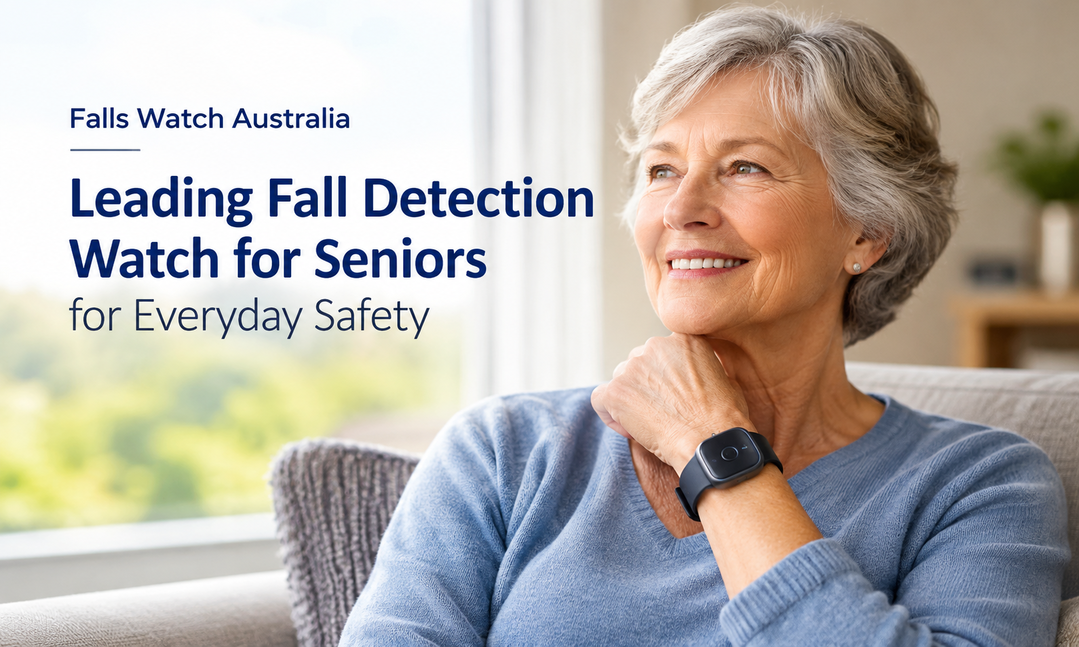
As seniors continue to value independence, everyday safety becomes an important part of maintaining an active lifestyle. Unexpected falls may