
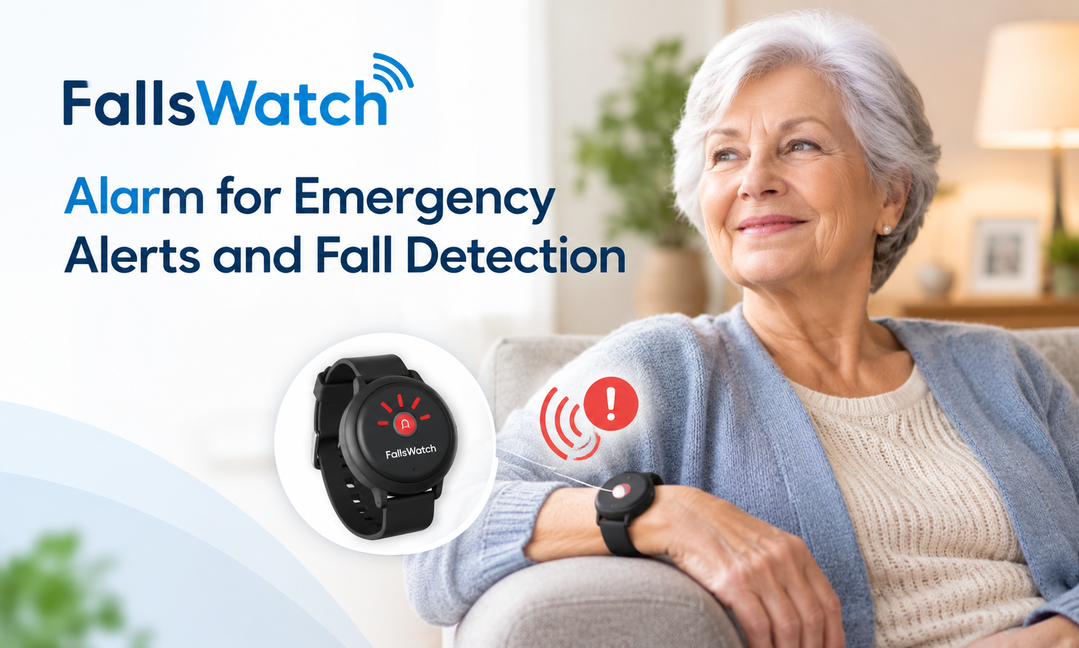
Falls Watch Alarm for Emergency Alerts and Fall Detection
Growing older does not mean giving up the comfort and independence of home. Many Australians prefer to stay in familiar
Proudly Australian Owned & Operated – Want to speak to a real person? 02 7227 5833
Staying safe at home becomes increasingly important with age, especially to prevent accidents that can affect independence and confidence. Technology is becoming an essential part of senior safety as well. Wearable personal alarm devices enable older adults to quickly call for help in the event of an accident, offering reassurance to both seniors and their families. Having an emergency response with the help of the top Falls Watch ensures help is always within reach, even when living independently. Thus, simple changes can make a huge difference and help maintain their quality of life every day.
Knowing about the dangers of falls and taking simple precautions will ensure that seniors remain safe, secure, and independent while still enjoying life to the fullest.
To understand why falls are the premier injury threat to older Australians, one must look at the intersection of polypharmacy, hazardous architecture, and physical deconditioning. These factors make falls a difficult-to-manage danger.
Falls present a serious problem affecting many older Australians, gradually but significantly changing the daily routine of hundreds of thousands of people. According to statistics from the Aged Care Quality and Safety Commission, 1 in 5 Australians aged 65 years and older experiences at least 1 fall per year. The exceptionally high rate of falls makes it an almost constant threat to the health of senior citizens, regardless of geographical location or financial standing.
Falls are not minor, trivial mishaps; they stand as the absolute leading cause of injury-related hospital admissions and fatalities among older adults. In case of a slip-up by an older individual, the fall can lead to extremely severe physical consequences in terms of bone fractures, brain injuries, or deep cuts. Often, such injuries become the cause of deteriorating health status and result in permanent disability or even death for older individuals.
These are individuals who lose their entire life and sense of independence within mere seconds. A significant portion of these incidents occur inside the familiar comfort of the person’s own home—often when they are completely alone without anyone nearby to assist. It usually causes the individual to be scared of falling again and consequently results in extreme cases of social isolation, physical restriction, and depression.
The aging process in Australia leads to many biological factors that render the seniors more vulnerable to balance loss. Older adults with cognitive decline may misjudge distances, forget to use mobility aids like walkers, or fail to recognize obvious environmental hazards. Moreover, due to poor vision and depth perception among the aged, it is increasingly difficult for them to identify potential dangers in the environment and thus prevent accidents.
Senior patients discharged from the hospital due to an unrelated medical condition are at high risk of falls. Prolonged immobility leads to rapid muscle deconditioning, and the elderly therefore become weaker. Their sudden weakness, along with the change in medication and re-assumption of responsibility around their house, puts them in a highly susceptible stage. Conversely, extreme heatwaves can cause rapid dehydration and heat exhaustion in seniors, triggering falls that can lead directly to a collapse.
Safety and independence become easier with the right support, and a monitored personal alarm provides seniors with peace of mind every day.
Overall, there are several ways to significantly minimize the risk of falls and live independently and safely at home as an older Australian. First of all, wearing a personal alarm that guarantees help whenever needed is essential. Moreover, an automatic fall-detection watch can serve as another safeguard when the person is unable to notify anyone about what happened. So, with simple home safety changes and regular health monitoring, these solutions provide lasting confidence, reassurance, and peace of mind.
Growing older does not mean giving up the comfort and independence of home. Many Australians prefer to stay in familiar
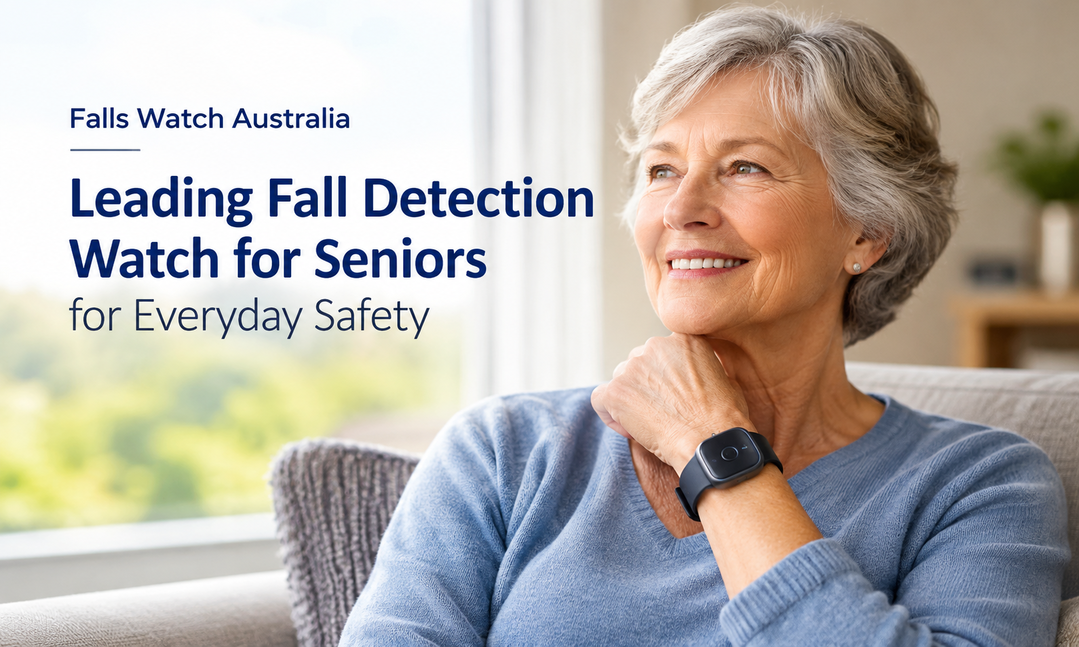
As seniors continue to value independence, everyday safety becomes an important part of maintaining an active lifestyle. Unexpected falls may