
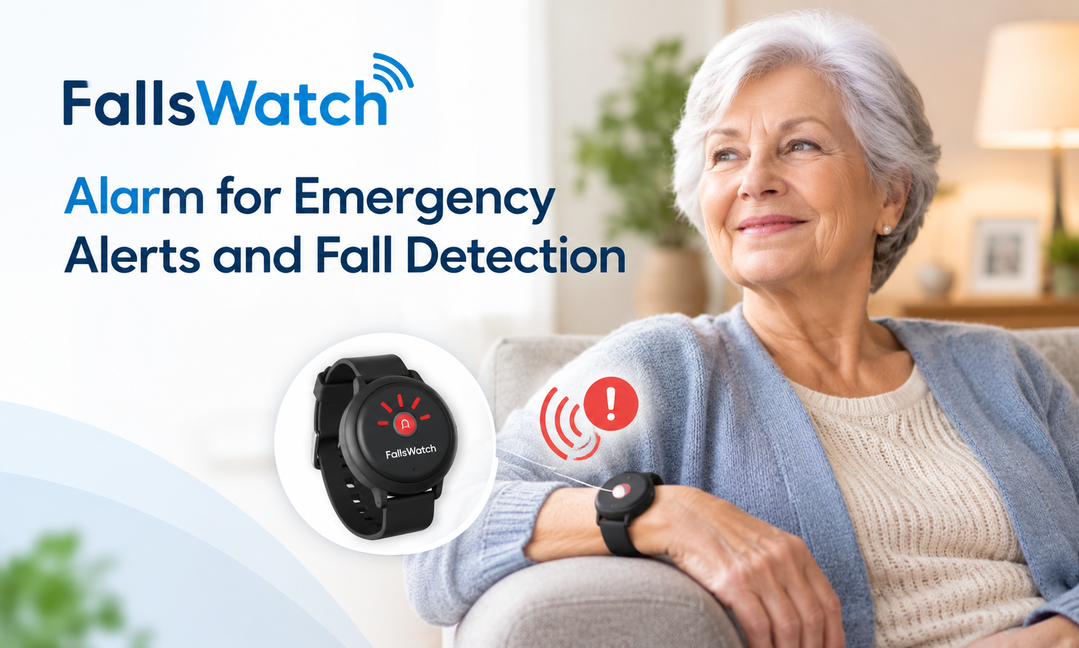
Falls Watch Alarm for Emergency Alerts and Fall Detection
Growing older does not mean giving up the comfort and independence of home. Many Australians prefer to stay in familiar
Proudly Australian Owned & Operated – Want to speak to a real person? 02 7227 5833
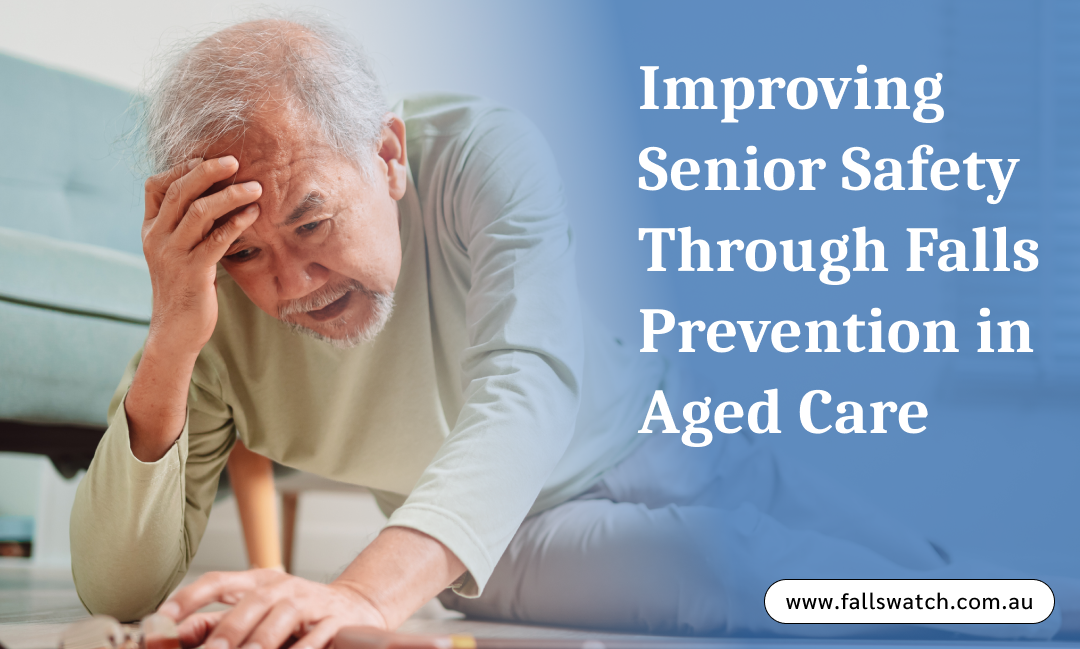
Falls are one of the most serious safety risks faced by older adults living in aged care facilities. In Australia, a significant proportion of people over 65 experience at least one fall each year by making it a leading cause of injury-related hospitalizations.
There is always an increased risk of suffering a fall when you are in aged care facilities for several reasons. Some of the risks associated with falls include poor physical movements, sicknesses, side effects of medications, and poor balance. Such factors can make simple tasks difficult to perform. As much as a fall may lead to serious physical injuries like a fracture, sprain, or even head injury, it will also have some effects on your mental health.
This is exactly why Falls Prevention in Elderly Care is so crucial and should definitely be viewed as a priority that needs to be addressed instead of being an optional choice when it comes to safety measures. Additionally, modern devices like a fall detection watch have become more relevant than ever before because they allow for an instant notification during any potential emergencies.
Most falls that take place in an aged-care setting do not happen because of one cause alone. Instead, there are often several causes operating at the same time that contribute to falls in aged care. Identifying these causes is critical to Falls Prevention in Aged Care.
The most common of these causes involves the natural deterioration that comes with age. This entails the reduction in strength and mobility due to the weakening of muscles and flexibility in aged individuals. The aging process also results in the loss of coordination, dizziness and vertigo.
Other important factors are sensory impairments. Vision impairments resulting from eye diseases like cataracts or macular degeneration may limit your ability to spot any potential hazards, such as objects in the way or even a step, thus posing a greater risk of tripping and falling.
Medication is another vital factor to consider. Elderly patients who have several prescribed medicines might be at risk of developing side effects that include dizziness or disorientation. Therefore, with the regular review of medications is highly recommended.
Sensory impairments also play a crucial role in the process. Vision impairment due to eye problems like cataracts or macular degeneration may hinder your capacity to identify any possible risks, like obstacles in your path or even a step, increasing the likelihood of falling.
Medications also play an integral role in this equation. For families and care providers and having extra safety measures in place can make a significant difference in everyday care and peace of mind. Moreover, simple and dependable support tools like safety watches can complement the wider fall prevention in aged care strategies by offering added reassurance while helping residents stay safe and maintain their independence.
Falls prevention calls for a comprehensive intervention approach, which will involve the physical condition of a person, his or her environment, and care practices in general. The effective strategy of fall prevention involves the use of several interventions at once.
Physical activity is an important strategy when it comes to preventing people from falling. Research indicates that regular exercise can reduce falls in the population of seniors by up to 23%. We highly recommend exercises that focus on increasing strength, improving coordination, and enhancing balance for this purpose. The ideal regime will include 150 minutes of exercise per week.
For fall prevention in aged care to be successful, reassessment must occur regularly. Initially, Australian residents will have a risk assessment performed on them that considers their mobility, balance, cognition, medical history, and medication intake. But since risks vary from one day to another, reassessment must always take place.
An environment can make an elderly person safer or more prone to accidents. To prevent falls among the elderly, it is vital to modify the living environment through simple changes such as improved lighting, installation of handrails, use of non-slip floorings, and elimination of obstacles.
Proper footwear plays an important role in stability and balance. Footwear must be correctly sized, well-structured, and with nonslip sole materials. The use of ill-fitting shoes, such as slippers that are too loose, will minimize the occurrence of falls. Podiatric appointments can further help manage foot problems that might interfere with balance and mobility.
The sensory system also contributes to fall risk reduction. Diminished eyesight greatly enhances one’s tendency to have accidents, whereas reduced hearing can adversely affect one’s balance and awareness. It is advisable to visit your ophthalmologist and audiologist regularly for a thorough examination and treatment.
Technology is becoming more vital in ensuring safety for seniors. The fall detection watch is another way to keep accident-prone seniors safe. Devices such as a fall detection watch provide an added layer of protection, particularly for residents who are at higher risk of falling or living with mobility challenges.
These watches come equipped with sensors that automatically identify when someone has had a fall. By integrating the smart technology into your everyday care, Falls Watch ensures seniors remain safer while maintaining independence and dignity. Our devices include:
✓ GPS tracking to pinpoint the location quickly
✓ Smooth two-way communication for instant contact
✓ Heart rate monitoring for overall health insights
✓ Geofencing alerts if a resident wanders outside the safe areas
For aged care facilities and families, it means that faster response times and greater peace of mind. For residents, it often leads to improved confidence and greater independence in their daily movements. It’s this combination of simplicity, reliability and support that makes modern safety technology easier to adopt and more likely to be used when it matters most.
Keeping seniors safe from falls requires a thoughtful mix of exercise, safer environments, regular health checks, and smart technology. When these strategies come together, aged-care facilities can reduce fall risk and improve residents’ confidence and well-being.
The fall detection watch by Falls Watch will provide extra safety because it includes automated fall detection, GPS tracking, and direct contact with the caregivers. Try out fall detection products right now and experience peace of mind!
Growing older does not mean giving up the comfort and independence of home. Many Australians prefer to stay in familiar
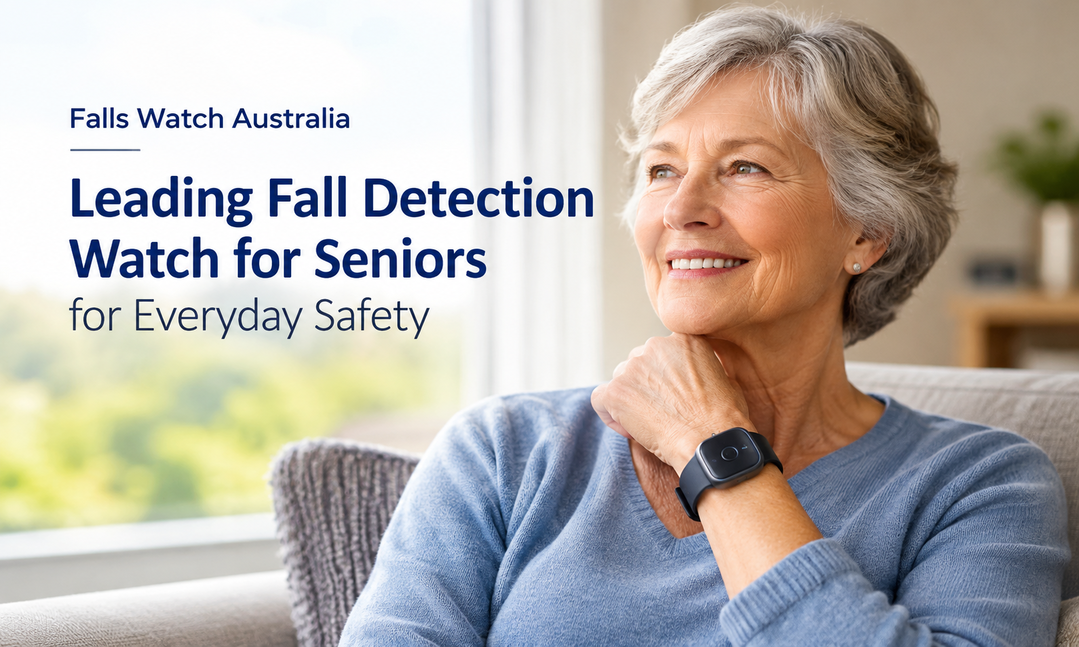
As seniors continue to value independence, everyday safety becomes an important part of maintaining an active lifestyle. Unexpected falls may